
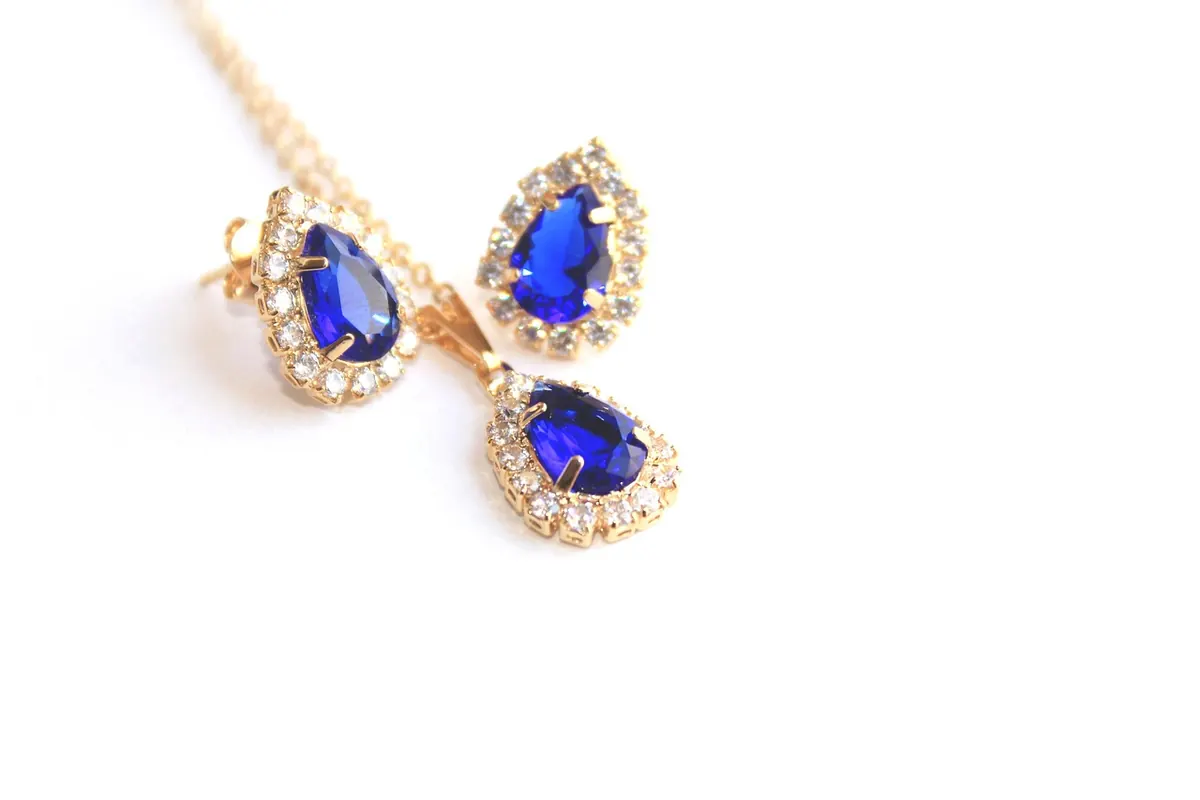
Crystal earrings catch the light in a way few other pieces do. They can feel festive, polished, or quietly elegant, and they are often the pair someone reaches for when an outfit needs a finishing touch. But if your ears itch, sting, or swell after an hour, the crystal is rarely the culprit. The metal touching your skin, the pressure of the back, or the pull of a heavy drop is more likely to blame. What follows is a practical way to check a pair before you buy, so the earrings you love are also the ones you can wear comfortably.
Sensitive ears do not have to mean a lifetime of plain studs. They do mean paying closer attention to the parts of an earring that are easy to overlook: the post, the hook, the backing, the weight, and the finish. A beautiful pair can look perfect in a display case and still fail after twenty minutes if the hidden hardware is wrong. The good news is that a little scrutiny before checkout can save a lot of discomfort later.
Start With the Metal That Touches Your Skin
Most earring reactions happen where metal meets the piercing. Nickel is a common trigger, and it can hide in places you would not expect: a silver-tone post, a gold-plated hook, or a backing that came with an otherwise good pair. A crystal stud with a sterling silver front and a nickel post is still a nickel earring as far as your earlobe is concerned.
Labels like “hypoallergenic” are not a reliable guarantee. The word is used loosely, and it does not tell you which metals are present. It can mean “less likely to cause a reaction” for some people, but it is not a standardized promise. Look for a specific material name instead, and check that it applies to the posts, hooks, and backs, not just the decorative front.
It also helps to think about how much metal will actually touch your skin. A tiny stud may only contact a small area, while a large earring with a long post and a wide backing can create more opportunity for friction. If you already know you are sensitive, prioritize the metal you know works for you rather than hoping a new alloy will be the exception.
Metals worth considering
- Solid titanium: Lightweight and often used for sensitive piercings. Choose unplated titanium when possible, and ask whether the posts and backs are both titanium. Titanium is valued for being strong without feeling heavy, which makes it a practical choice for everyday studs.
- Niobium: A good option for ear wires and hooks, especially in styles that put a lot of metal against the skin. Niobium is often used in handmade or piercing-friendly jewelry because it can be worn by many people who react to nickel.
- Sterling silver: A familiar choice for many people. Check that the posts and backs are sterling too, and remember that silver alloys can vary. Sterling silver is not pure silver; it is an alloy, so if you are highly sensitive, test a pair carefully before wearing it all day.
- Solid gold: Look for solid gold rather than gold plating. The karat matters less for many sensitive wearers than the fact that the piece is gold through and through. Gold-plated or gold-filled jewelry can be fine for some people, but once the plating wears thin, the base metal may be exposed.
- Platinum: A dense, durable option that is often well tolerated. It is usually more expensive, but for a favorite pair of everyday earrings, it can be a worthwhile investment. As with any metal, confirm the posts and backs match the front.
- Medical-grade stainless steel: This can work for some people, but “stainless steel” is a broad category. If you are nickel-sensitive, ask for the specific alloy and do not assume every steel earring is safe. A cheap steel post may still release enough nickel to cause irritation.
One useful shopping habit is to turn the earring over. The front gets all the attention, but the back tells you a lot. If the listing only says “gold tone” or “silver finish,” treat that as a warning rather than a material name. If it says “solid titanium posts and backs,” you have something concrete to evaluate.
Don’t Ignore the Backs and the Fit
The backing is part of the jewelry, not an accessory. A poor backing can scratch the skin, trap moisture, or press too tightly against the earlobe. It can also be the hidden source of nickel. If you find a pair of crystal earrings you love but the backs feel flimsy, ask whether you can swap them for a safer style.
- Butterfly backs: Common and easy to use, but they can lose tension over time. Look for smooth edges and a snug fit that does not pinch.
- Screw backs: More secure and often gentler on sensitive ears because they can be adjusted without squeezing. They take a little longer to put on, but they are a good choice for everyday studs.
- Lever backs: Useful for drops and small hoops because they reduce pressure on the piercing. Check that the lever closes smoothly and does not pinch.
- Plastic or silicone discs: These can create a buffer between the backing and the skin, but they are not a fix for a reactive metal post. Use them as extra comfort, not as a substitute for the right metal.
Fit matters as much as material. A post that is too short can press into the earlobe, while a post that is too long can catch on hair and clothing. If your ears are swollen or newly pierced, choose a slightly longer post and a lighter earring until the piercing settles. A pair that fits properly feels secure without leaving a deep mark behind.
Consider Weight, Shape, and Daily Wear
Crystal earrings can be surprisingly heavy, especially large faceted drops, clustered designs, and styles with lots of metal settings. Weight alone can make sensitive ears ache, even when the metal is perfect. A pair of dramatic drops may be fine for a dinner, but a lighter stud or small huggie is often kinder for a full day at work.
Shape plays a role too. A wide backing or a post that sits at an angle can rub against the back of the earlobe. A long drop can swing and tug with every turn of the head. If you are choosing your first pair of crystal earrings for sensitive ears, start with a smaller silhouette and see how your ears respond before committing to a more dramatic style.
Comfort is not a detail you add after the earrings are chosen. It is one of the features that makes a pair worth keeping.
Look Beyond the Metal: Plating, Glue, and Findings
The crystal itself is usually not the problem. Glass crystal, cubic zirconia, and natural quartz are not common causes of earlobe irritation. The risk often comes from what holds the crystal in place. Foil-backed stones, glued settings, and plated metal findings can degrade over time, especially when they meet sweat, perfume, hairspray, and water.
If a pair is plated, ask how thick the plating is and what metal is underneath. A gold-plated earring over brass may look lovely, but the plating can wear away at the post first, exposing the base metal exactly where your skin is most sensitive. For everyday wear, solid or unplated materials are usually the simpler choice. For occasional wear, a plated pair can still work if you treat it carefully and keep it away from moisture.
Also check the edges and settings. Rough prongs, exposed glue, or a backing that does not sit flush can cause small scratches that make your ears feel irritated even if the metal is fine. Smooth, well-finished surfaces are a sign that the maker paid attention to the parts you cannot see from across the room.
How to Test a New Pair at Home
Before you wear a new pair for a long day, give them a short trial. This is especially useful if you are trying a new material or buying from a brand you do not know well.
- Clean and dry the earrings first. Use a soft cloth and avoid harsh cleaners that could damage the crystal or the finish.
- Wear them for one to two hours. Stay home or keep the outing short so you can remove them at the first sign of itching, heat, or redness.
- Notice the pressure points. Pay attention to the back of the earlobe and the piercing itself. If you feel pinching or a dull ache, the fit or weight may be wrong.
- Remove and clean your ears. Wash your hands, clean the piercing gently, and let the skin rest. Do not put the earrings back in if the area is irritated.
- Increase wear time gradually. If the first trial goes well, try a half day, then a full day. This helps you tell the difference between a small adjustment period and a true reaction.
Keep a simple note of which materials work for you. Over time, that record is more useful than any package claim. You may find that one sterling silver pair is fine while another is not, or that titanium studs are reliable but a gold-plated hook is not.
Caring for Crystal Earrings on Sensitive Ears
Care is part of comfort. Remove crystal earrings before showering, swimming, or exercising, and put them on after perfume and hairspray have dried. Wipe them with a soft dry cloth after wear to remove oils and sweat. Store them separately or in a soft pouch so the crystal does not get scratched and the posts do not get bent.
- Keep backs clean and replace them if they lose tension or begin to discolor.
- Avoid soaking earrings in water, especially plated or glued designs.
- Do not use abrasive polishes on crystal or on sensitive metal finishes.
- Check posts for roughness, which can be gently smoothed by a jeweler if needed.
- Rotate your earrings so the same pressure point is not irritated every day.
Questions to Ask Before You Buy
A few direct questions can save you from a disappointing purchase. If you are shopping online, look for answers in the product description; if you are in a store, ask a salesperson who can check the details.
- What exactly are the posts, hooks, and backs made of?
- Is the finish solid, plated, or coated? If plated, what is underneath?
- Are the backs replaceable with titanium or plastic?
- How much does each earring weigh?
- Is the crystal set with prongs, glue, or a closed backing?
- What is the return policy if the earrings irritate my ears?
Crystal earrings for sensitive ears are not about settling for less sparkle. They are about choosing a pair whose hidden details are as considered as its visible ones. Start with a metal that suits your skin, check the backs and the fit, keep the weight sensible, and test new pairs slowly. With a little care, you can enjoy the light-catching effect without paying for it in comfort.
Photo: anarosadebastiani / Pixabay